Timely Interventions + a Remembrance
The dam is breaking on information about the causes of death and suffering in ICE custody.

May 15, 2026
Happy FOIA Friday. Thank you for being here. It means a lot.
Blockbuster Day on the Accountability Beat
CNN published another advancement in our collective understanding of the causes and impacts of in-custody ICE deaths. Deeply sourced, human, and methodical, the reporting team captures the truth about why people are passing away at record rates—a fact DHS continues to deny, including in their story.
A fulcrum of the CNN report, which is among the 7-8 pieces I think are required reading for this draft of history, is a new Conditions of Confinement report from the California Attorney General. That, too, is a critical piece of primary evidence for the trials to come. I simply cannot fathom why every state whose leaders purport to oppose the suffering and harm ICE detention inflicts do not rush to pass a copycat of the law Californians approved, mandating these reports on a biennial basis. Wendy Fry and Sergio Olmos did a great write-up of the Cal AG report for CalMatters.
Jean Jimenez: Remembering Not to Forget
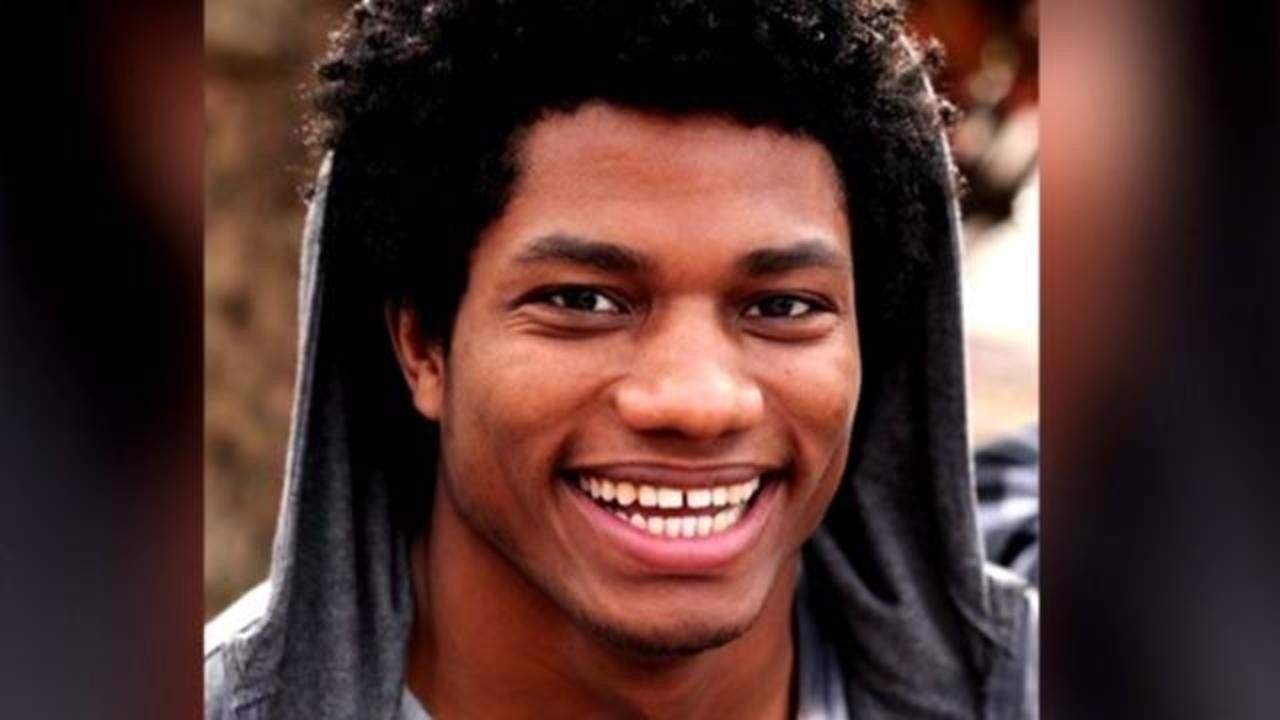
Nine years ago today, Jean Jimenez died by suicide in a solitary confinement cell at CoreCivic’s Stewart Detention Center in Lumpkin, Georgia. Supporting Jean’s family permanently changed my perspective about how people die in ICE detention, and birthed the project you’re reading today. Seeing the faith and resilience Jean’s loved ones and the broader community of people who don’t want people dying preventable deaths in US civil carceral institutions instilled a deep sense of hope that together, we can harness the power of information and our own connections to make things better for everyone.
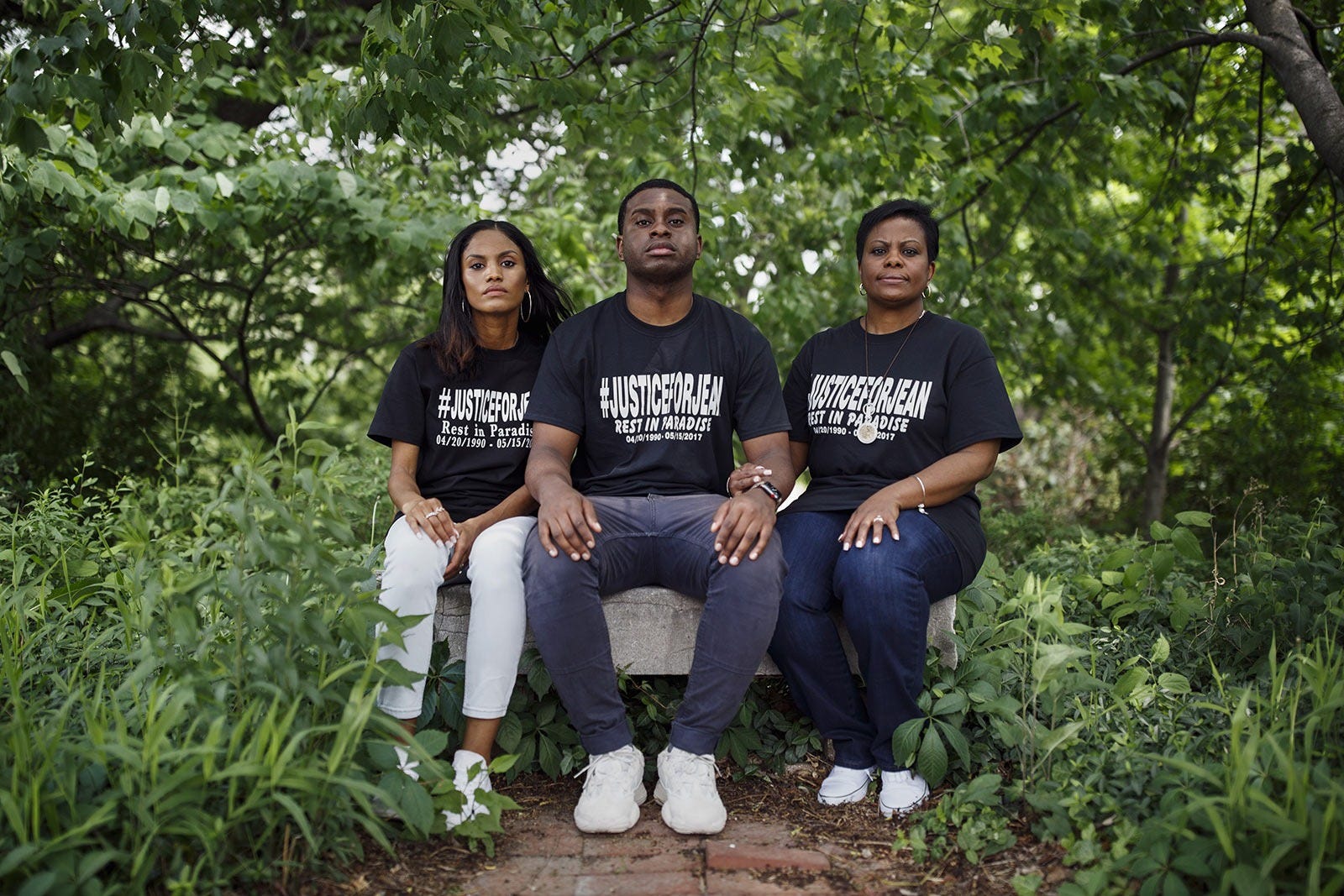
I confess that my faith has been shaken lately. As the years added up, more dates became annual remembrances of a preventable in-custody death. More families’ futures shattered. More evidence of a system’s banal death-making.
The same people and systems who killed Jean Jimenez, and so many others, are richer and more powerful than they’ve ever been. And more people are dying than ever before. From just three people dying in fiscal year 22, we’re on track to hit 50 in FY26. How did it come to this?
It’s not just because I failed. Even though it feels like that a lot lately—perhaps more than before. And it’s not that the “system” failed. It’s working precisely as designed. Its purpose is what it does. Increasingly, but for as long as it’s been around, part of what ICE detention does is kill people. It’s just that it’s a lot of people now. One, on average, every ten days or so.
The waiting around on the next announcement while pursuing details about the last has all run together. It feels like a constant stream, and sometimes, though I know it’s shallow, it feels like we’ll all drown in it. Or just me.
For my inadequate labors, I’ve acquired not just knowledge and perspective about where the stream originates, and where it’s intended to flow, but also a lot of pain. Each person’s death in a cage inflicts unspeakable suffering on their loved ones, their communities, on the people who were inside with them, sometimes watching or hearing them die, wondering if they’re next. Looking at the autopsy photos and reading all the statements collected about how they died does, too. For this reason, I am so, so grateful that a cadre of professional journalists across the country and around the world is taking up the challenge to apply their craft to this inquiry.
If there’s something I’ve been fearing like hell lately, it’s that this stream is becoming a river; that so many people are dying in such rapid succession that we’re simply normalizing it; that we’re being conditioned to accept it. Once that happens, they can and will ramp it up further, until, I fear, we’ll all forget how exceptional and irregular a person’s preventable passing in civil confinement used to be. Should be.
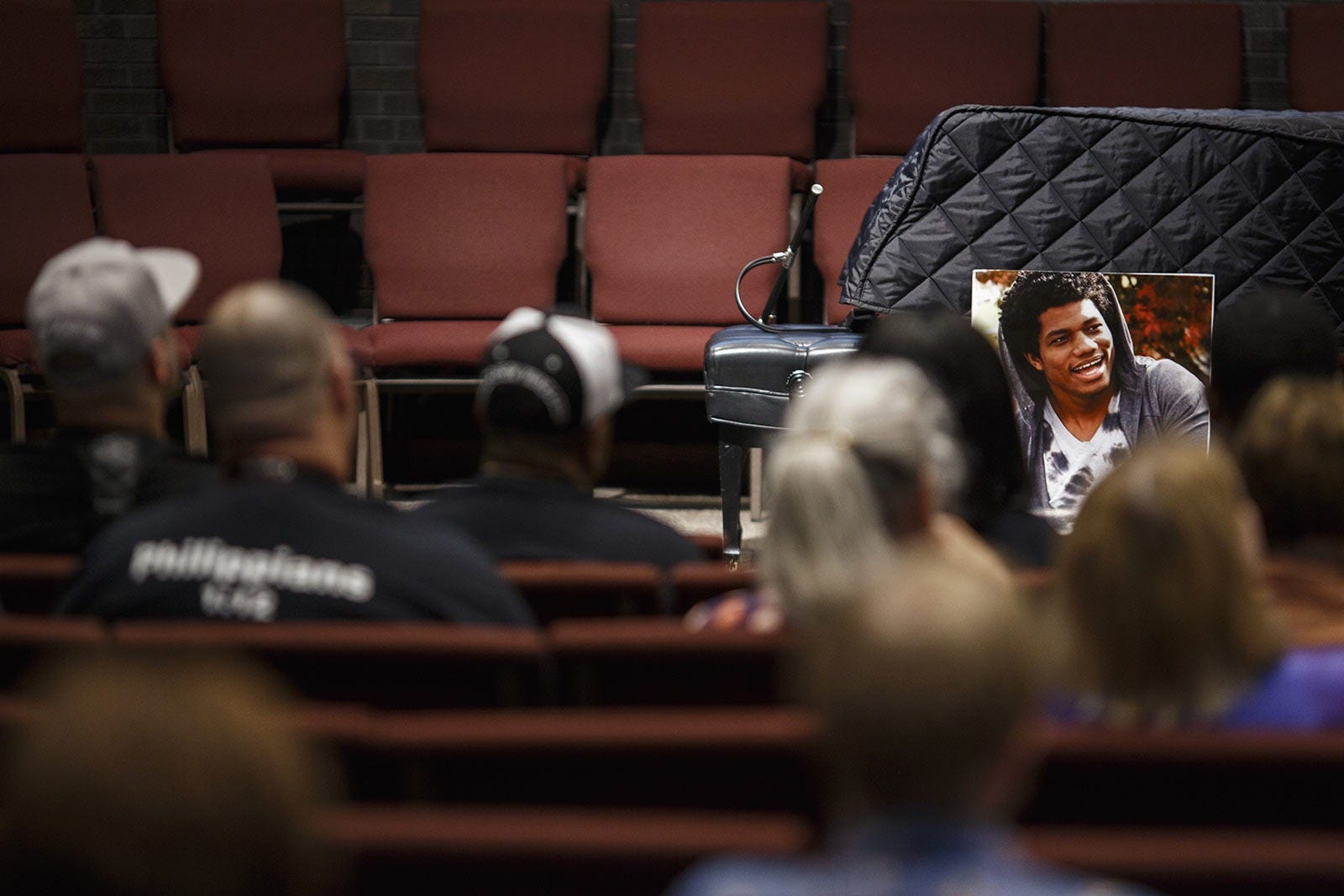
I do what I do now, rather than what I was doing nine years ago, because I learned more information more quickly that delivered more epistemic justice to Jean’s family and the broader community from journalists than I ever could through the legal system. We just settled the FOIA case Jean’s family filed in 2018 last year.
Spencer Woodman taught me Jean called the Detainee Reporting Information Line in Washington, D.C. to beg for the proper dose of his medication. Elly Yu taught me a staffer at Stewart told DHS-OIG just month before Jean arrived that the place was a “ticking bomb.” Jose Olivares and Travis Mannon taught me how to combine the records we got with storytelling that made an inarguable case more elegant than any I could’ve brought to court. Robin Urevich taught me it’s okay to call a detention center Hell in the Middle of a Pine Forest, and that Jean’s self-portrait, finished just before he ended his life to stop the torture the place inflicted on him, is not an end but a beginning. Her editors taught me never go give images of a person’s last moments to someone without an agreement about how they’ll be used. Catherine Soichet taught me journalists can get more information than lawyers could through friendly phone calls and diligent records follow-up. And Gianna Toboni showed me that not only could a person’s family achieve a form of closure, but that those responsible for the death-making could be forced to answer on camera, for posterity.
Hopefully some of that knowledge gets passed on here, so that you don’t have to start from zero, like I did. But maybe seeing the bodies and being in space with the families and then clinically dissecting all of the failures that could have prevented the tragedy is necessary for you to reach the same conclusion that I have about this whole enterprise.
When we ask families what they want after a loved one dies, time and again we hear the same thing: “We want justice.”

Digging into what that looks like, rather than just leaving it in the realm of a Platonic ideal, generally means people want to know the truth about what happened to their loved one. They want to use that truth to reclaim their loved one’s memory from the violent defamation and erasure the state inflicts in the wake of someone’s worst nightmare. Yes: people need money. ICE will spend any amount to capture and cage a person for deportation, but once they die inside, the agency won’t even fly their body home. There’s no amount of money that can bring someone back. And there’s never been a recovery that fully valued the life of the person who died in a manner that’s acceptable to any decent person.
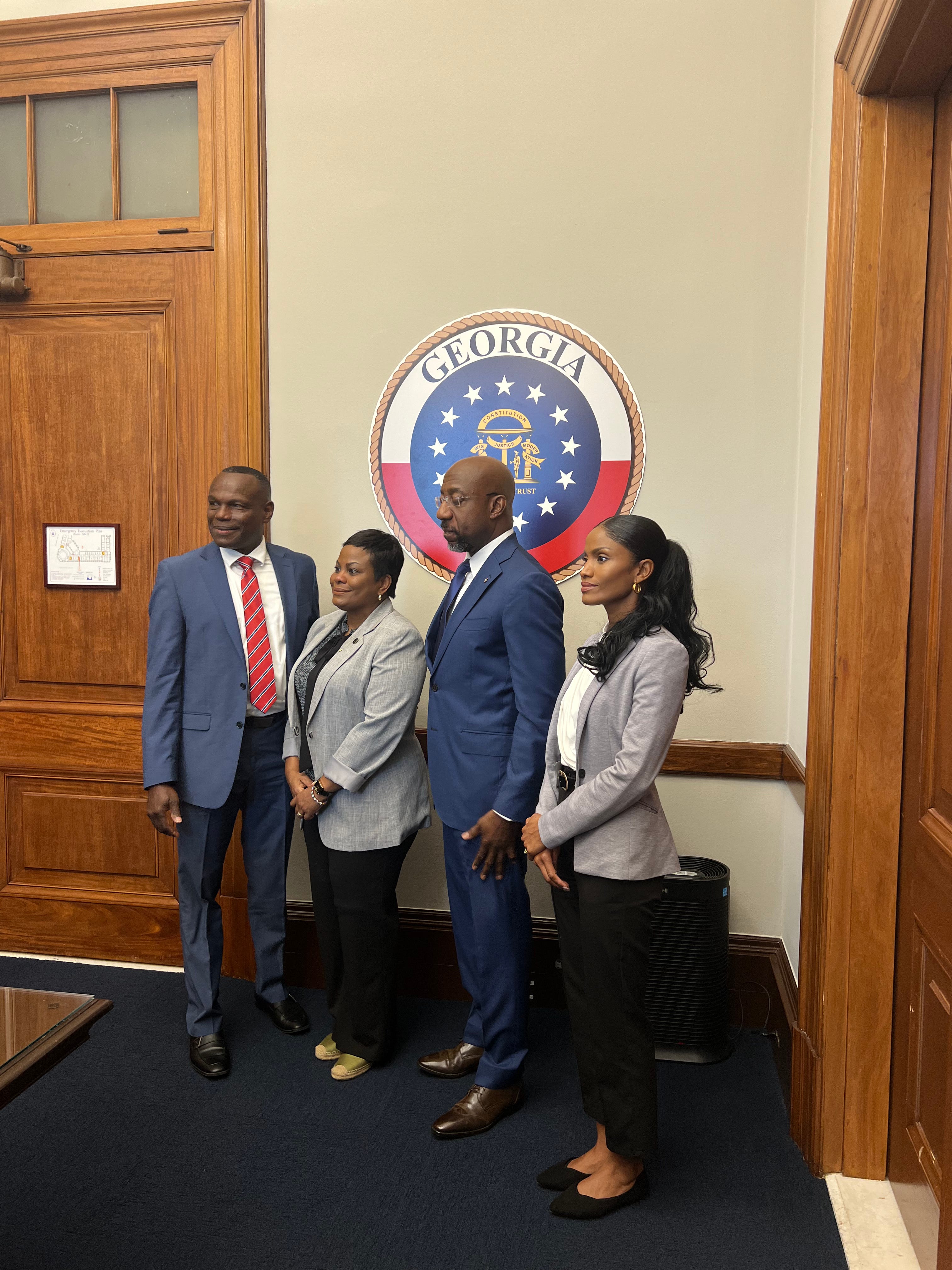
Time and again, for family after family, we hear a vision of justice in which others aren’t subjected to the same suffering they experience. They don’t want anyone else’s parent or child to have to go through this. And so, when people go to courts for justice and get law instead, other means of pursuing it become necessary if we’re to keep the compact we hold.
Which is why I’m so grateful to all the people doing the painstaking work of documenting these unspeakable tragedies, and ensuring folks know what we’re finding.
It’s not just telling people’s stories and transmitting vital data, but truly bearing witness for our neighbors, a practice without which there can be no hope for justice, ever. As the weight of that witness continues to grow, I hope those of you who are shouldering so much of it know that your work is informing and motivating lots of folks as we learn and choose how to use our individual and collective power in pursuit not of a return to some old baseline, but of what *should* be.
The number of things that fail to cause moral outrage by the US public is growing daily. Grief and despair are acceptable and appropriate responses for anyone paying attention that isn't a sociopath.